
Skip to content
DelphiHealth & Wellness
Everyday health

When to see a nurse practitioner: what an FNP can do in Florida

Can a nurse practitioner be your primary care provider in Florida? What an FNP can diagnose, prescribe, and manage — plus when an NP is the right choice for your care.

JDJohanna Delphin, FNP Medically reviewed Updated May 26, 2026 9 min read

Key takeaways

  • A Family Nurse Practitioner (FNP) can serve as your primary care provider — diagnosing, prescribing, ordering tests, and managing chronic conditions across all ages.
  • Since 2020, Florida law allows qualified nurse practitioners to practice autonomously in primary care, including running their own practices.
  • Research consistently shows NP-led primary care matches physician-led care on outcomes, satisfaction, and preventive care.
  • NPs often spend more time with patients and emphasize education and prevention — a model that fits chronic-condition and whole-family care well.
  • For complex surgical needs or highly specialized problems, your NP coordinates referrals — knowing when to bring in a specialist is part of good primary care.

When people call to ask about becoming a patient, one question comes up more than almost any other — sometimes spoken, often just quietly wondered: "Is a nurse practitioner a real primary care provider, or do I need a doctor?"

It's a fair question, and it deserves a straight answer. The short version: a Family Nurse Practitioner (FNP) can absolutely be your primary care provider — and in Florida, the law makes that especially clear. This guide explains what an FNP is, what we can and can't do, what the research says about the quality of care, and when seeing a nurse practitioner is the right choice for you and your family.

What is a nurse practitioner — and what's an FNP?

A nurse practitioner (NP) is an advanced practice registered nurse with graduate-level education — a master's or doctoral degree — plus national board certification and clinical training well beyond a registered nurse. NPs are licensed to assess patients, diagnose conditions, order and interpret tests, prescribe medications, and create treatment plans.

A Family Nurse Practitioner (FNP) is the type of NP trained to care for patients across the entire lifespan — children, adults, and older adults — and their families. That "whole-family, whole-life" focus is exactly what primary care is about, which is why FNPs are one of the most common kinds of primary care providers in the country.

In practice, an FNP does the core work you'd expect from any primary care provider:

  • Diagnoses and treats everyday illnesses and injuries
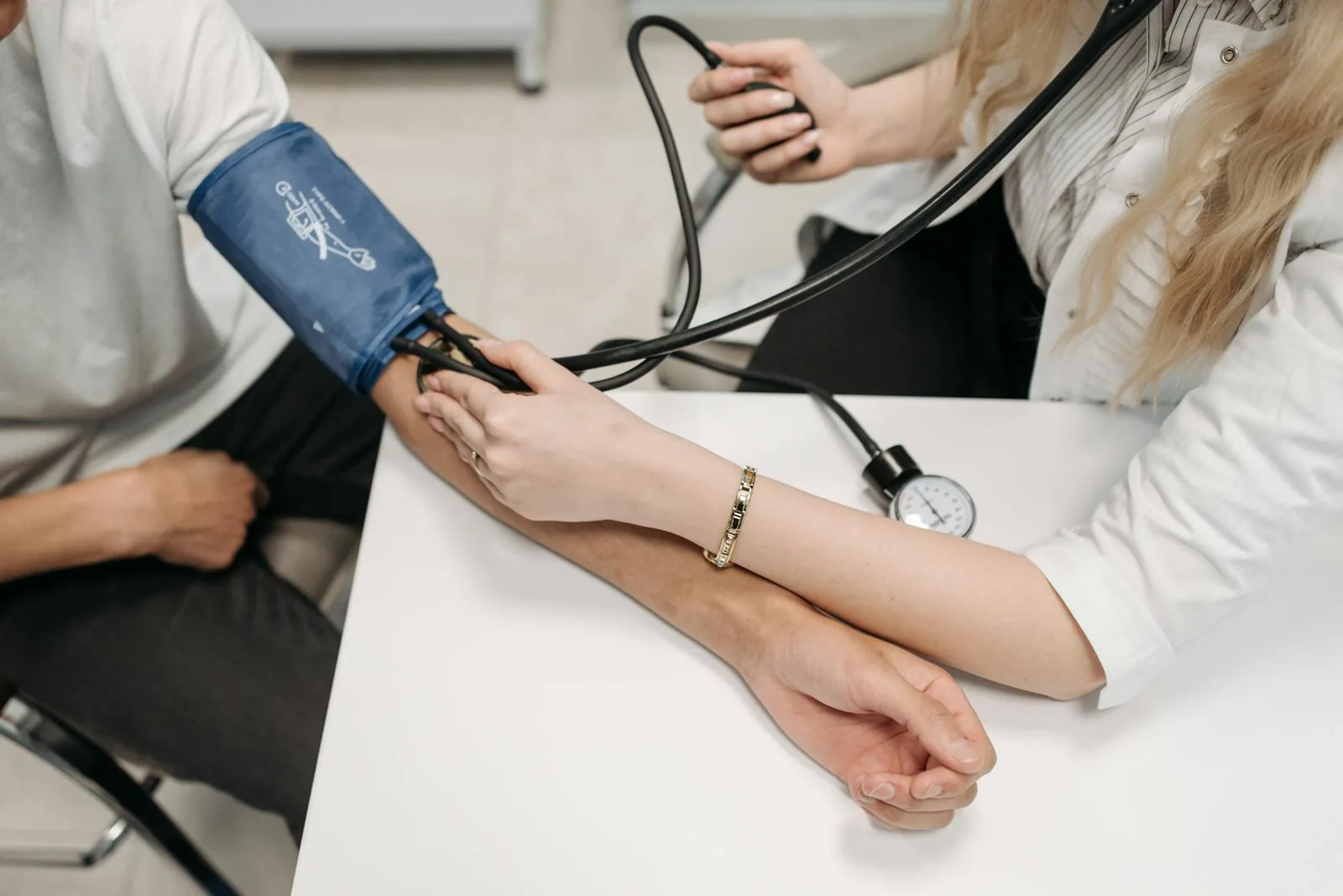
  • Manages chronic conditions like high blood pressure, diabetes, and high cholesterol
  • Orders and interprets labs and imaging
  • Prescribes medications
  • Delivers preventive care — physicals, screenings, vaccines, and counseling
  • Refers to specialists and coordinates the rest of your care

What an FNP can do in Florida specifically

Here's where Florida is worth understanding, because the rules genuinely vary state to state.

In 2020, Florida passed a law (HB 607) allowing qualified nurse practitioners to practice autonomously — that is, independently, without a supervising physician — in primary care fields like family medicine, general internal medicine, and general pediatrics. To qualify for autonomous practice, an NP must meet specific requirements, including thousands of hours of clinical experience and carrying professional liability coverage. {{REVIEW}}

What that means for you, the patient, is concrete:

  • A qualified FNP in Florida can serve as your independent primary care provider.
  • An autonomous NP can run their own primary care practice.
  • The everyday scope — diagnosing, prescribing, ordering tests, managing chronic disease, signing many of the forms you need — is broad. {{REVIEW}}

The law does keep some boundaries. Autonomous practice is limited to primary care (not, say, surgery), there are specific rules around certain controlled substances, and NPs — like all good clinicians — refer out when a problem needs specialized care. {{REVIEW}} But for the vast majority of what families need day to day, an FNP is fully equipped to be your main provider.

Is the care actually as good? What the research says

This is the question underneath the question, so let's address it directly: the evidence for NP-led primary care is strong and consistent.

Multiple systematic reviews comparing NP-led and physician-led primary care have found outcomes that are equal to — and on some measures better than — physician-led care. That holds across things patients care about most: control of chronic conditions, delivery of preventive care, and patient satisfaction. {{REVIEW}}

There are a few reasons NP care often scores well on the human side of medicine:

  • More time per visit. The NP model leans toward longer, less-rushed appointments — which means more room to listen, explain, and plan.
  • A prevention and education emphasis. Nursing training is rooted in patient education and whole-person care, and that shows up in how NPs practice.
  • Continuity and accessibility. Patients often report shorter waits and an easier time actually getting in to be seen.

None of this is about NP versus physician as a competition. It's about a real, well-supported truth: for primary care, a nurse practitioner is a fully legitimate, high-quality choice.

When seeing a nurse practitioner is a great fit

So when should you choose an NP as your provider? Honestly, for most primary care needs, an FNP is an excellent fit. A few situations where the model shines:

  • You want a long-term primary care relationship. Annual visits, prevention, and someone who knows your whole history.
  • You're managing a chronic condition. High blood pressure, type 2 diabetes, thyroid issues, cholesterol — the kind of ongoing care that rewards education, frequent check-ins, and time. (See our chronic disease management services.)
  • You value being heard. If you've felt rushed in the past, the NP emphasis on time and teaching can be a relief.
  • You want whole-family care. An FNP can care for different ages, which simplifies life when you're juggling a household.
  • You need convenient, accessible care — including telehealth for the many concerns that don't require an in-person exam.

When your NP will bring in a specialist

Good primary care isn't about doing everything yourself — it's about knowing what you've got, and knowing when something needs a higher level of care. Your FNP will refer you to a specialist or physician when a problem calls for it, such as:

  • A condition that needs surgery or a specialized procedure
  • An unusual, complex, or unstable problem outside the scope of primary care
  • A situation requiring specialized testing or imaging best read by a subspecialist
  • Care that benefits from a particular expert's depth — cardiology, oncology, and the like

When that happens, your NP doesn't disappear from the picture. We coordinate the referral, make sure the specialist has what they need, and fold their findings back into your overall care plan. That quarterbacking role — being the steady center of your care — is exactly what a primary care provider is for.

The mark of a good provider isn't doing everything personally. It's making sure you always get the right care, and never falling out of the loop on your own health.

Choosing the provider who's right for you

At the end of the day, the best primary care provider is one who's qualified, accessible, communicates clearly, and earns your trust over time. For a great many Floridians, a Family Nurse Practitioner checks every one of those boxes — and the law, the research, and a lot of satisfied patients all back that up.

If you're weighing whether an FNP is right for you, the best test is simple: come in, ask your questions, and see how it feels. Good primary care should leave you feeling heard, informed, and confident about the plan.

Curious whether our practice is the right fit? Learn more about Johanna, explore our primary care services, or book a visit in person in Fort Pierce or by telehealth across Florida. Have a question first? Reach out anytime.

Frequently asked questions

Can a nurse practitioner be my primary care provider in Florida?+
Yes. Family Nurse Practitioners are qualified to serve as primary care providers, and Florida law allows qualified NPs to practice autonomously in primary care fields like family medicine. An FNP can be your main provider for routine, preventive, and chronic care across your whole life. {{REVIEW}}
Can a nurse practitioner prescribe medication?+
Yes. Nurse practitioners diagnose conditions, order and interpret tests, and prescribe medications. In Florida, NPs can prescribe a broad range of medications under current law, with some specific limits on certain controlled substances. {{REVIEW}}
Is the care from a nurse practitioner as good as from a doctor?+
For primary care, the evidence is strong. Multiple systematic reviews have found NP-led primary care produces outcomes equal to or better than physician-led care on measures like chronic disease control, preventive care, and patient satisfaction. {{REVIEW}}
When would a nurse practitioner refer me to a specialist or physician?+
When a problem falls outside primary care — for example, complex surgery, an unusual or unstable condition, or a situation that needs specialized testing or management. Recognizing when to bring in a specialist is itself a core skill of good primary care, and your NP coordinates that referral and stays involved.

Sources & further reading

  1. American Association of Nurse Practitioners (AANP) — About NPs
  2. Florida Board of Nursing — Advanced Practice Registered Nurse
  3. AHRQ — Primary Care Workforce and Nurse Practitioners
  4. MedlinePlus — Choosing a primary care provider

This article is for general health education and does not replace personalized medical advice. To discuss your specific situation, please book a visit.

JD
Written & reviewed by
Johanna Delphin, FNP

Johanna Delphin is a board-certified Family Nurse Practitioner providing whole-family primary care in Port St. Lucie, Florida.

Read full bio
Ready when you are

Care that listens. Care that lasts.

Schedule a visit in Port St. Lucie or via telehealth across Florida. We're accepting new patients.